Pain Point 11 – Inadequate Risk Anticipation and Prevention
Many organizations can identify risks, but struggle to determine which ones truly matter and how to address them proactively. As a result, prevention activities compete with day-to-day work, budgets are allocated reactively, and improvement projects are prioritized based on urgency rather than impact.
Why this matters
When risks are not systematically assessed and linked to prevention planning, organizations pay for problems after they occur—through delays, cost overruns, customer impact, or audit findings. This frequently ties back to weak alignment with requirements such as ISO 9001 Clause 6.1, where risks are identified but not effectively addressed. From a business perspective, limited resources are spread thin, high-impact prevention opportunities are missed, and leadership lacks confidence that budgets are being applied where they will deliver the greatest return.
The better way
A structured approach that goes beyond identifying risk to actively preventing it. By consistently:
Assessing risks based on likelihood and impact
Defining prevention actions before issues occur
Prioritizing improvement projects objectively
Aligning budgets and resources to risk and opportunity
organizations move from reactive spending to intentional investment. Prevention becomes a strategic activity that protects performance, customers, and profitability.
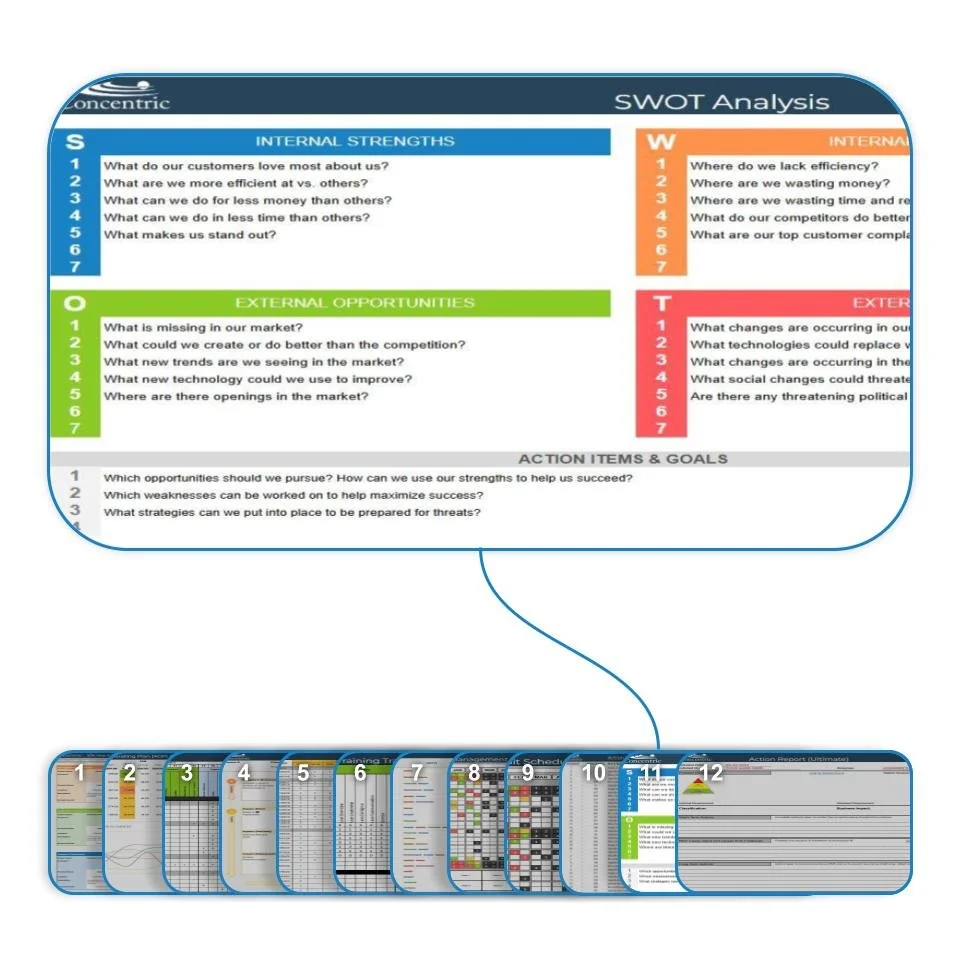
Tool 11: Risk Assessment & Prevention
The Risk Assessment & Prevention tool provides a structured method for evaluating risks and translating those assessments into prioritized prevention activities. It connects risk analysis directly to decision-making around projects, resources, and budgets—ensuring effort is focused where it delivers the most value.
Built in a flexible, spreadsheet-based format, the tool supports scoring, prioritization, and prevention planning in a single integrated view. It enables organizations to compare risks objectively, evaluate trade-offs, and align improvement initiatives with strategic priorities. Refined through more than 15 years of real-world use, it helps organizations prevent issues before they become costly problems.
This tool turns risk awareness into disciplined prevention.
How Tool 11 Fits into the 12 Tools™ System
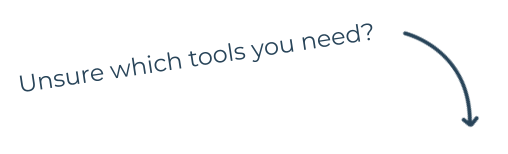
Risk Assessment & Prevention builds directly on the risks identified in Tool 9 and feeds prioritized actions into Tool 10. It informs leadership decisions during management review (Tool 8) and ensures resources are allocated based on data rather than urgency. Without this step, organizations know their risks—but still pay for them later.
Apply the tool to current risks and improvement initiatives, use it to guide budget and project decisions, and revisit it as conditions change. Practitioner feedback continues to shape how this tool evolves.
Other Commonly Used Tools (and Their Limitations)
LogicManager
A risk management platform with assessment tools, heat maps, and project prioritization.
Strength: Robust analytics and enterprise scalability.
Limitation: Best suited for larger organizations with mature ERM programs.Resolver
A platform supporting risk intelligence, prevention planning, and resource allocation.
Strength: Strong action-oriented insights.
Limitation: Higher cost and broader system overhead.RiskWatch
A standards-aligned tool supporting risk analysis and prevention prioritization.
Strength: Configurable for ISO-based risk assessment.
Limitation: Initial setup and configuration effort.Camms.Risk
A compliance-focused platform with dashboards and workflow support.
Strength: User-friendly interface and integrated reporting.
Limitation: Subscription-based model and broader scope.